
Know your options before it’s too late.
Facing bankruptcy.
Understand how bankruptcy can impact your home and credit, and explore alternatives that may help you avoid filing.
Give us a call:
Understanding bankruptcy and your home.
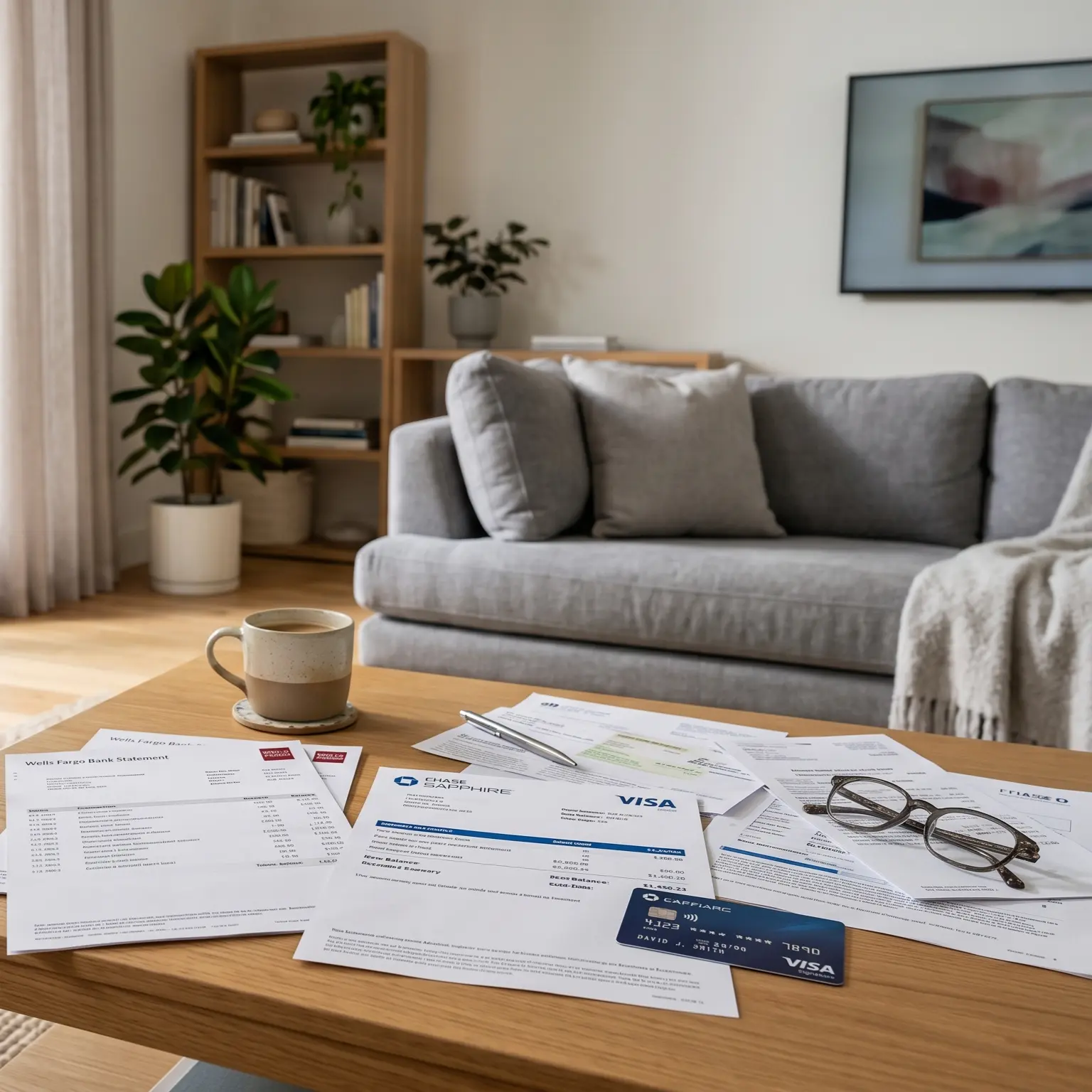
Bankruptcy can feel like a fresh start, but it often introduces new financial challenges for homeowners.
Chapter 7 may involve liquidation, while Chapter 13 requires strict repayment plans that can be difficult to maintain. Understanding the difference can help you make a decision that better protects your home and your credit.
Two Bankruptcy Types That Affect Homeowners
Chapter 7 Bankruptcy
A liquidation process where assets may be sold under court oversight. This can limit options for homeowners who want to keep or sell their property on their terms.
Chapter 13 Bankruptcy
A structured repayment plan that includes full mortgage payments, past-due balances, and additional fees, often creating a heavy monthly obligation.
Key financial pressures.
These factors highlight why bankruptcy can increase monthly financial strain.
Immediate Payments
Mortgage payments must resume during the process.
Added Repayment
Past-due amounts are added on top of current obligations.
Trustee Fees
Administrative fees increase the total monthly payment.
Foreclosure Resumes
If the case is dismissed, foreclosure may continue from where it paused.
Why payments become unmanageable.
Chapter 13 plans can create payment structures that are difficult to sustain, putting homeowners back at risk if the plan falls through.
Mortgage + Repayment Combined
Homeowners must cover both the current mortgage and past-due balance, significantly increasing monthly costs.
Trustee Fees Included
Required administrative fees add to the overall payment burden.
Average Payment Shock
Monthly payments can rise well beyond what originally caused the financial strain.
No Reset After Dismissal
If the case does not succeed, foreclosure typically resumes from the same point, not from the beginning.
Common myths about bankruptcy.
“Bankruptcy will permanently stop foreclosure.”
It may pause the process temporarily, but it does not eliminate it. If the case ends, foreclosure can resume.
“Chapter 13 lowers your housing costs.”
In many cases, total payments increase due to added repayment and fees.
“Bankruptcy protects your credit.”
Filing can significantly impact your credit and remain on your record for years.
Immediate Solutions
Exploring alternatives before you file.
There may be options that help you avoid filing, protect your credit, and move forward with more control.
Avoid a Bankruptcy Filing
We help homeowners explore paths that may prevent a long-term credit impact.
Protect Your Credit Score
Avoid the extended impact that comes with a bankruptcy record.
Pay Off HOA or Other Delinquencies
Address outstanding balances that may be contributing to financial pressure.
Provide a Better Alternative
Explore clear, timely options for selling or restructuring without court involvement.
Get Started
Talk to someone
before you file.
Bankruptcy can affect your home, your credit, and your long-term financial flexibility. Speak with a Home Solutions Network advisor to better understand your options.
Give us a call: